
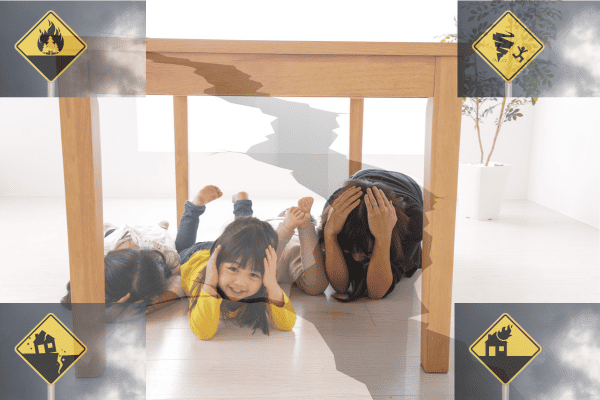
Resilient housing plays a crucial role in ensuring the safety and well-being of occupants during and after natural disasters, such as hurricanes, earthquakes, and floods. By implementing housing solutions that are designed to withstand and recover from these events, communities can minimize the impact of disasters, protect lives, and support the process of rebuilding and recovery. Here are some key aspects that are important for resilient housing:
Structural Integrity: Resilient housing must have a strong and robust structural design that can withstand the forces exerted by natural disasters. This includes using reinforced materials, advanced engineering techniques, and adhering to strict building codes and standards. Reinforced concrete, steel frames, and impact-resistant windows are examples of elements that enhance structural integrity.
Hazard Mitigation: Resilient housing should incorporate hazard mitigation strategies to minimize the risk of damage and injuries. This may include measures such as elevating structures in flood-prone areas, implementing wind-resistant roofing systems, and securing building foundations to withstand seismic activities. By reducing vulnerability to hazards, resilient housing can withstand disasters and provide a safe haven for occupants.
Emergency Systems: Resilient housing should include emergency systems and features that enhance the safety and well-being of occupants during disasters. This may involve the installation of backup power generators, emergency lighting, fire suppression systems, and access to potable water reserves. Additionally, incorporating effective communication systems, such as satellite phones or two-way radios, can facilitate communication during and after disasters when regular communication channels might be disrupted.
Resource Efficiency: Resilient housing can also prioritize resource efficiency to enhance sustainability and resilience. This may include integrating renewable energy systems, such as solar panels, to provide power during emergencies and reduce reliance on external energy sources. Water conservation measures, such as rainwater harvesting and greywater recycling systems, can ensure a sustainable water supply during prolonged disruptions.
Community Engagement: Building resilient housing involves community engagement and participation. Educating residents about disaster preparedness and response, conducting drills, and establishing community support networks can contribute to a cohesive and resilient community. Collaborative efforts among residents, local authorities, and experts can lead to the development of housing solutions that meet the specific needs of the community and improve overall resilience.
By prioritizing these aspects, resilient housing can provide a safe and secure environment for occupants during natural disasters and support quicker recovery and rebuilding efforts. It is crucial for policymakers, architects, engineers, and communities to collaborate and invest in resilient housing solutions to protect lives, preserve infrastructure, and build sustainable and disaster-resilient communities.